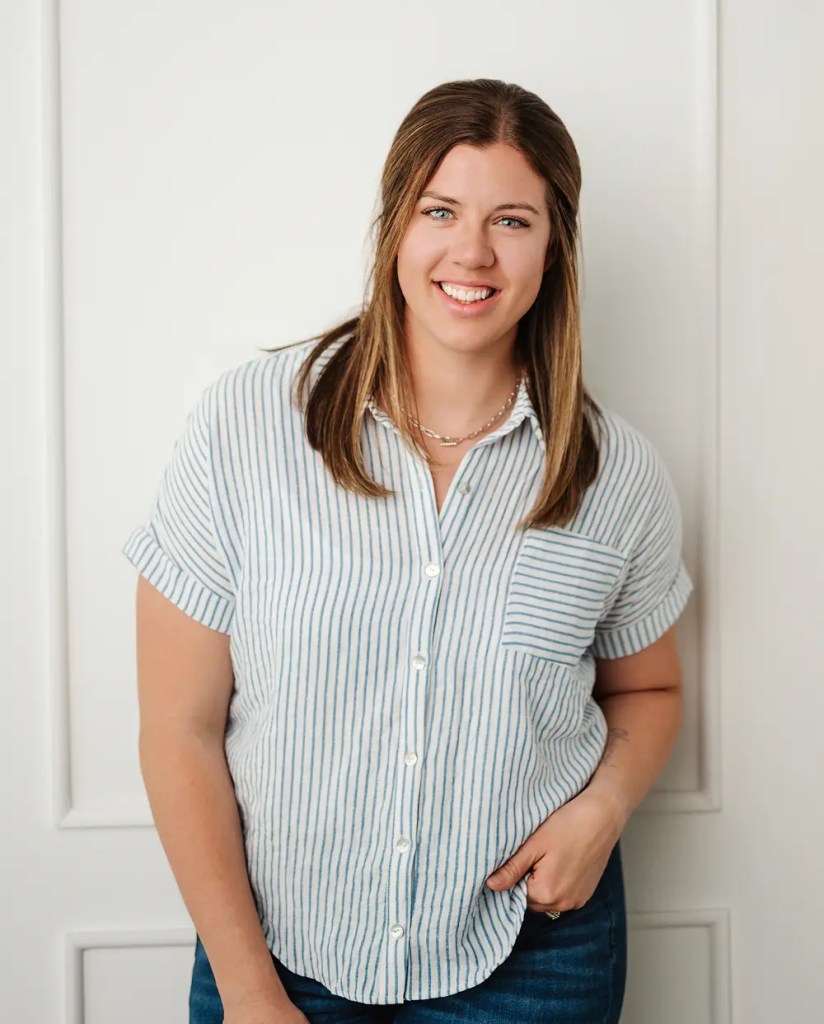

actually mean when the standard advice feels like a costume? In this episode of You’re the boss, now what?, stylist and leadership ally Elisa Ellis (Turnkey Style) explains how to use your wardrobe to project credibility—without faking it.
This isn’t about suits for the sake of suits. It’s about showing up with the confidence, clarity, and command presence your role requires.
Why what you wear changes how you lead
Psychologists call it enclothed cognition: what you wear influences your attention, presence, and performance. Think of your “power outfit” as a tool that helps you access your best self on demand. When you’re dressed in a way that feels aligned, your posture changes, your voice steadies, and your team reads you as confident and clear.
Translation for first-time managers: your clothes can quietly amplify everything you’re already working on—How to Be a Better Manager, How to Build Trust as a Manager, and even How to Hold Employees Accountable.
Authentic > generic
There is no one “leader uniform.” A blazer might make someone else feel unstoppable and make you feel like an imposter. Your goal is to find the version that fits your field and feels like you. Consistency builds recognition; authenticity builds trust.
Try this quick filter:
- Do I feel like me in this?
- Would I be proud to run into a client, VP, or board member today?
- Does this match the expectations of my industry and my org—while helping me stand out for the right reasons?
A simple framework: look like the expert in your context
Different days call for different levels of formality. Use these lanes to decide fast:
- Plant/field days: clean sneakers or boots, dark denim or work pants, structured knit or button-down.
- Office days: smart separates (dark jeans or chinos, neat top, optional jacket or cardigan), polished shoes.
- Exec/client days: tailored jacket or sport coat, dress or trousers, leather shoes, one “signature” detail.
You don’t need separate “work” and “life” closets. Aim for a modern capsule that flexes across both.
Build your power outfit (without blowing your budget)
Start with fit, finish, and a small signature.
- Fit and grooming
Clothes pressed, hems right, shoes clean, hair neat. If your outfit is polished, the nose ring/tattoo/zero-makeup look won’t distract—your presence will. - Core pieces that mix and match
- Tailored jacket or structured cardigan
- Two great trousers or dark-wash denim
- Two breathable button-downs or knit polos
- Two elevated tees or blouses
- Leather or clean white sneakers + one dress shoe
- One standout accessory (glasses, watch, scarf, pin, bag)
- A signature that sets you apart
Color, frames, pocket square, scarf pattern, statement shoe—one consistent detail that makes you memorable and on-brand. - Smart shopping
Factory outlets (J.Crew Factory, Banana Republic Factory), mid-tier retailers, and selective high–low mixing beat buying “more.” Prioritize fabric and fit over labels.
Conversation scripts for managers (and for you)
Sometimes style becomes a leadership conversation. Here’s how to keep it human, clear, and respectful.
If you’re the new manager setting expectations
- “I want our team to look like the experts we are. Here’s what ‘client ready’ means for us: pressed tops, dark denim or trousers, closed-toe shoes. Save athletic wear for off-hours.”
- “Our goal isn’t to clone a uniform—it’s to look polished and consistent. If you’re unsure about an outfit, send me a photo the night before. I’m happy to help.”
- “I want you to stand out—in a good way. If style is a stressor, let’s build you a simple capsule that works.”
If you’re the employee seeking clarity
- “I want to make sure I’m meeting expectations. What does ‘executive presence’ look like here? Could you show me examples that fit our brand?”
- “Are there key days you want a more formal look? I’ll plan my week around those touchpoints.”
- “I’m building a small work capsule. Would these pieces align with our standard?”
These scripts reduce the awkward and raise the standard—without policing people’s personalities.